Understanding the Connection Between Dance and Mental Health
In recent years, the link between dance and mental health has gained attention in various fields, including psychology and wellness. This article explores how engaging in dance can contribute to improved mental well-being, emphasizing evidence-based findings and practical insights.
The Psychological Benefits of Dance
Research indicates that physical activities, including dance, can enhance mental health by reducing symptoms of anxiety and depression. According to a study published in the Journal of Health Psychology, participants who engaged in regular dance classes reported a significant decrease in feelings of stress and an increase in overall happiness levels.
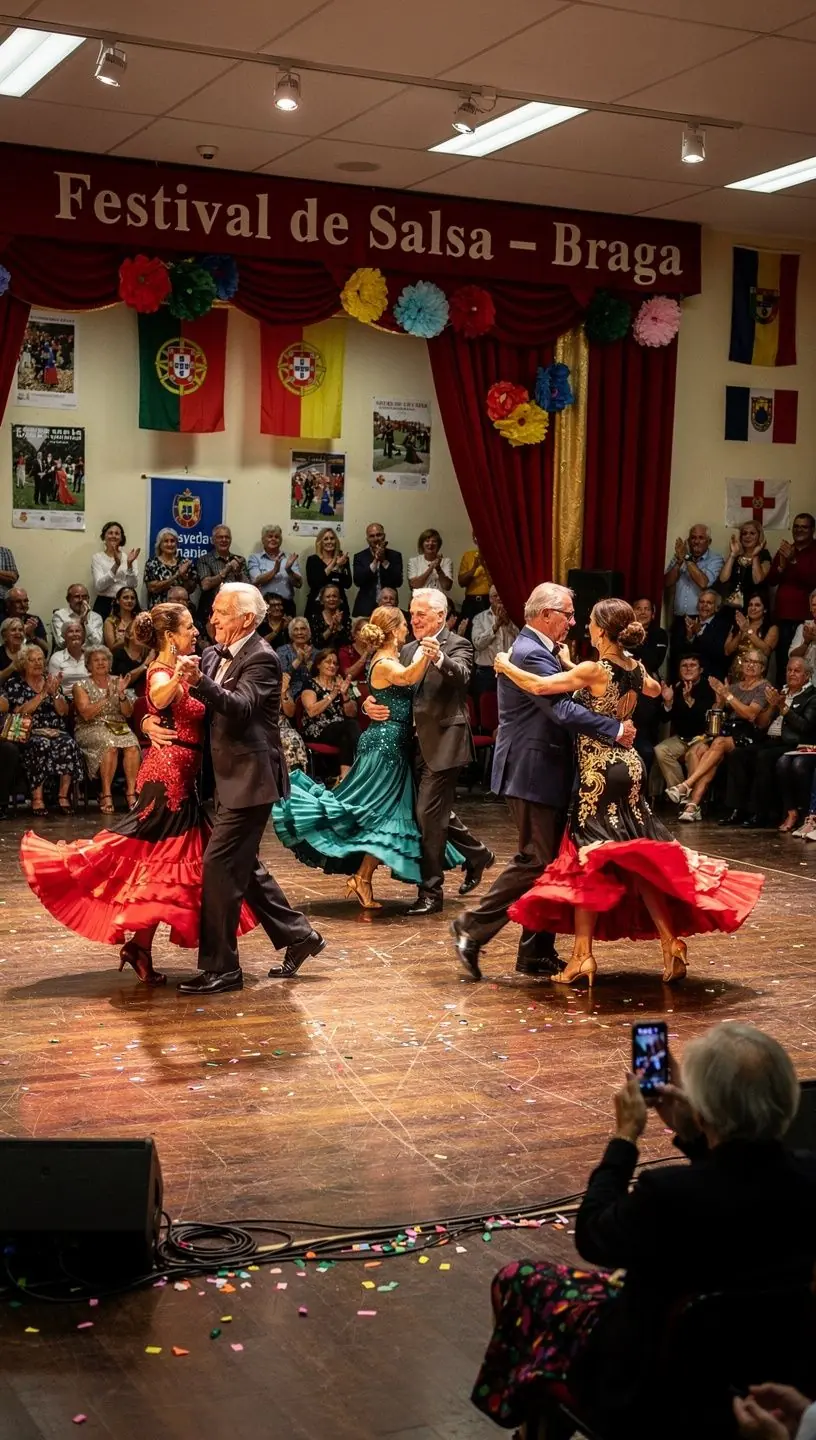
"Dancing not only provides a physical outlet but also fosters a sense of community and belonging, which are crucial for emotional health." - Experts in the field of dance therapy
How Dance Affects the Brain
Dance involves complex movements and coordination, which stimulate various parts of the brain. This mental engagement releases neurotransmitters such as dopamine, often referred to as the "feel-good" hormone. Many studies suggest that this release can help combat feelings of sadness and promote a general sense of well-being. Additionally, dance can improve cognitive function, particularly in older adults, by enhancing memory and attention.
Key Mechanisms at Play
- Physical Activity: Regular physical activity is known to lower cortisol levels, the body's primary stress hormone, which can reduce feelings of stress.
- Social Interaction: Participating in group dance classes can provide social support, which is essential for mental health, particularly for individuals feeling isolated.
- Creative Expression: Dance allows for creative expression, which can facilitate emotional release and self-discovery.
Practical Tips for Integrating Dance into Your Routine
For those looking to harness the mental health benefits of dance, consider the following practical steps:
- Start Small: Join a beginner class to ease into dancing. Many users find that starting with 1-2 classes per week is manageable.
- Choose Your Style: Experiment with different dance genres to find what resonates with you, whether it’s salsa, bachata, or another style.
- Be Consistent: Regular practice typically leads to better outcomes. Aim for consistency rather than perfection, dedicating at least 30 minutes a week to dance.
Conclusion
Engaging in dance can provide numerous psychological benefits and serve as an effective tool for improving mental health. While it may not be a cure-all, the integration of dance into one’s lifestyle can contribute positively to emotional well-being. By participating in dance classes or social dance nights, individuals can experience not only the joy of movement but also the therapeutic benefits of social interaction and self-expression. Remember, the journey of exploring dance is unique to each individual, and results may vary based on personal dedication and involvement.
Learn More