Creating a Welcoming Environment for New Dancers
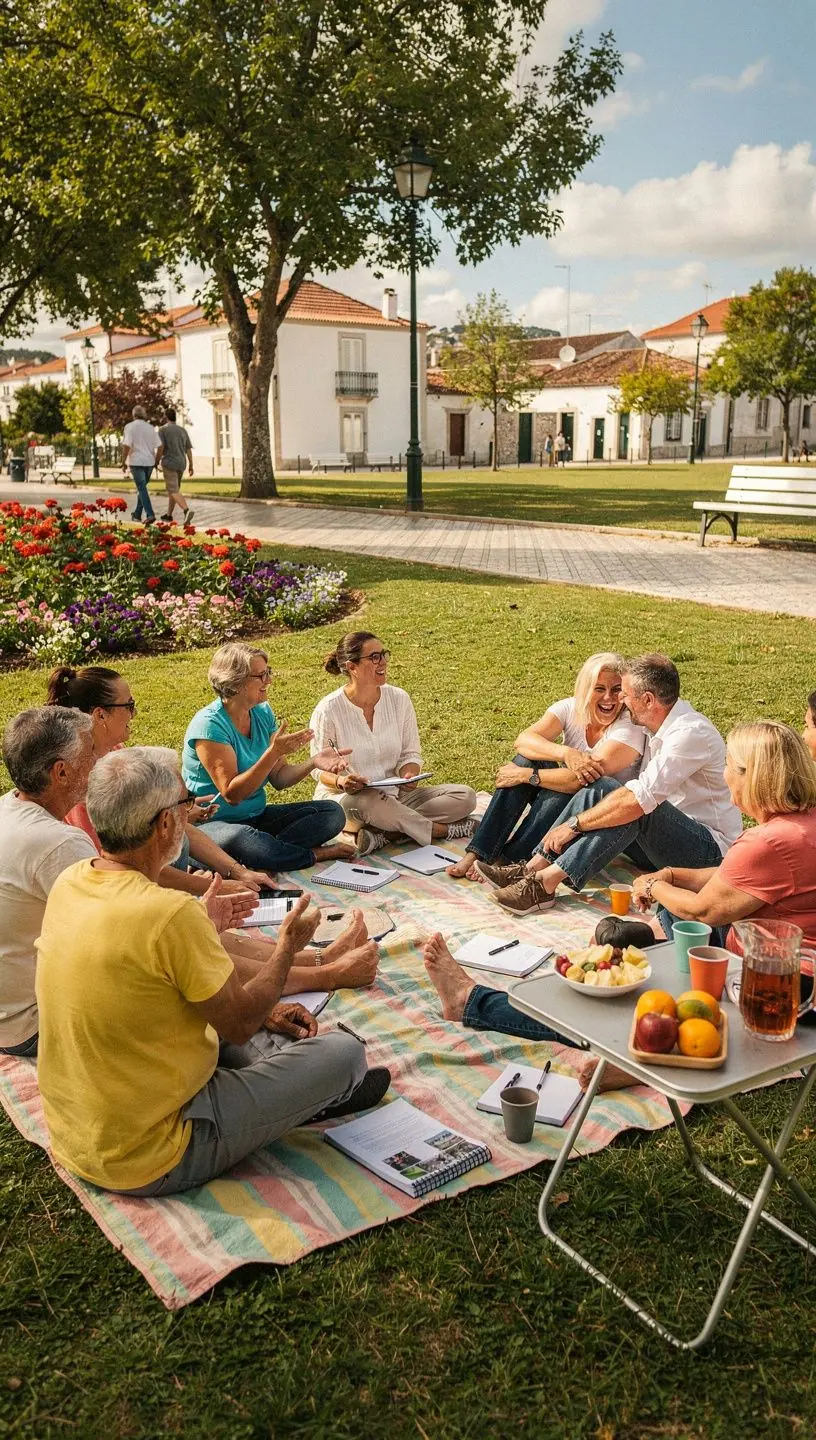
For many adults, taking up dance later in life can be a daunting experience. However, fostering a welcoming environment is crucial for building confidence in new dancers. In this article, we will explore effective strategies to create a supportive space, promoting enjoyment and learning.
Understanding the Importance of a Welcoming Environment
According to research in social psychology, a positive atmosphere can significantly impact individuals' willingness to engage in new activities. Studies show that when individuals feel accepted and supported, they are more likely to continue participating, leading to improved skills and enhanced enjoyment. This principle is particularly relevant in dance, where personal expression and creativity play vital roles.
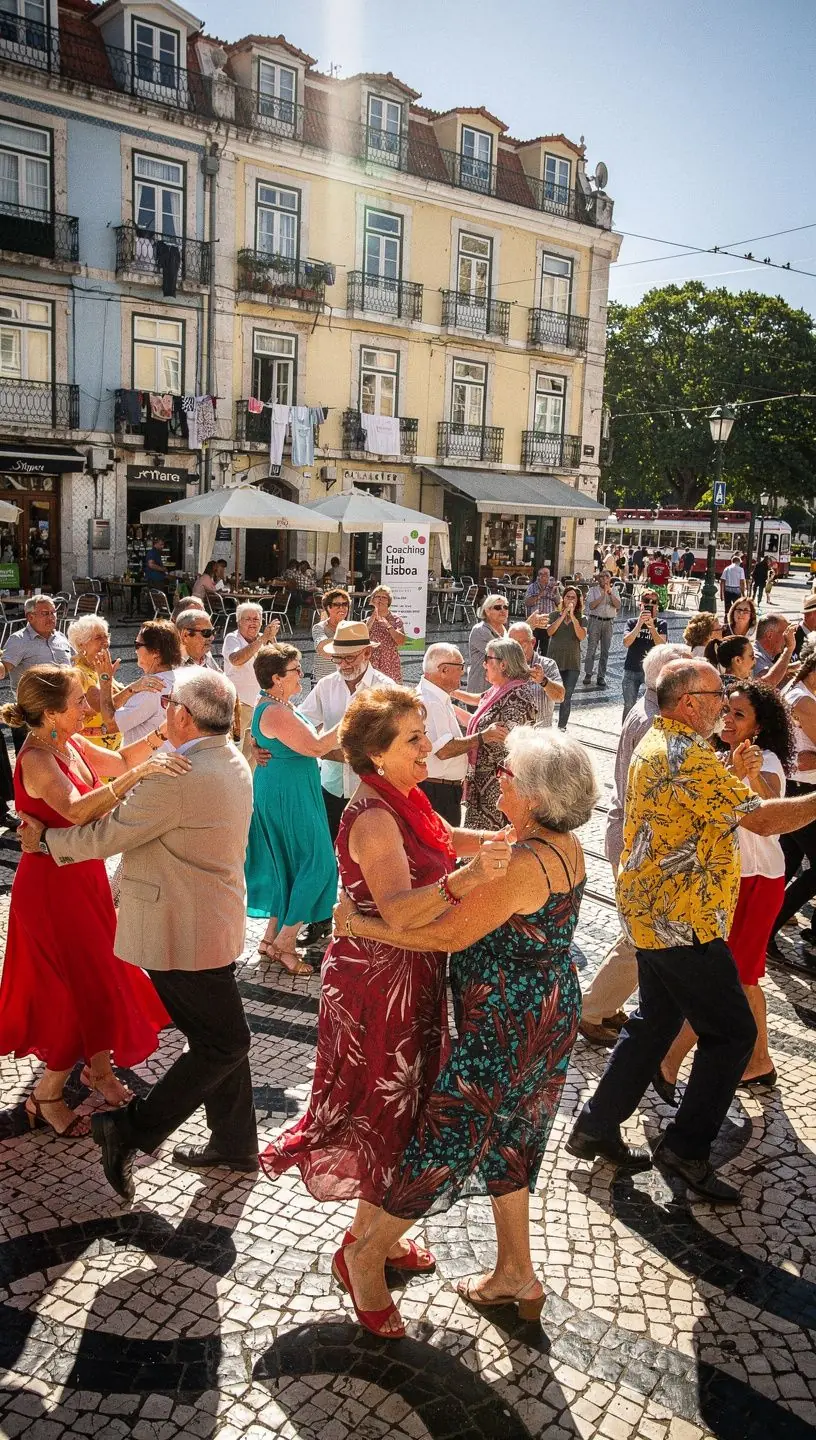
"Creating a supportive space for newcomers can lead to higher retention rates and increased confidence." - Dance Education Expert
Key Elements of a Welcoming Dance Space
To cultivate a friendly atmosphere, consider the following elements:
- Encouraging Communication: Open lines of communication between instructors and dancers can help newcomers feel more at ease. Experts recommend regular check-ins to address any concerns or questions.
- Inclusive Language: Using language that is inclusive and non-judgmental helps create a friendly environment. Phrases such as "we all learn at our own pace" can reassure newcomers that they are not alone in their journey.
- Friendly Introductions: Introducing new dancers to the group can foster connections. Research indicates that having a dance buddy can significantly enhance the initial experience, making newcomers feel less isolated.
Creating Engaging Social Events
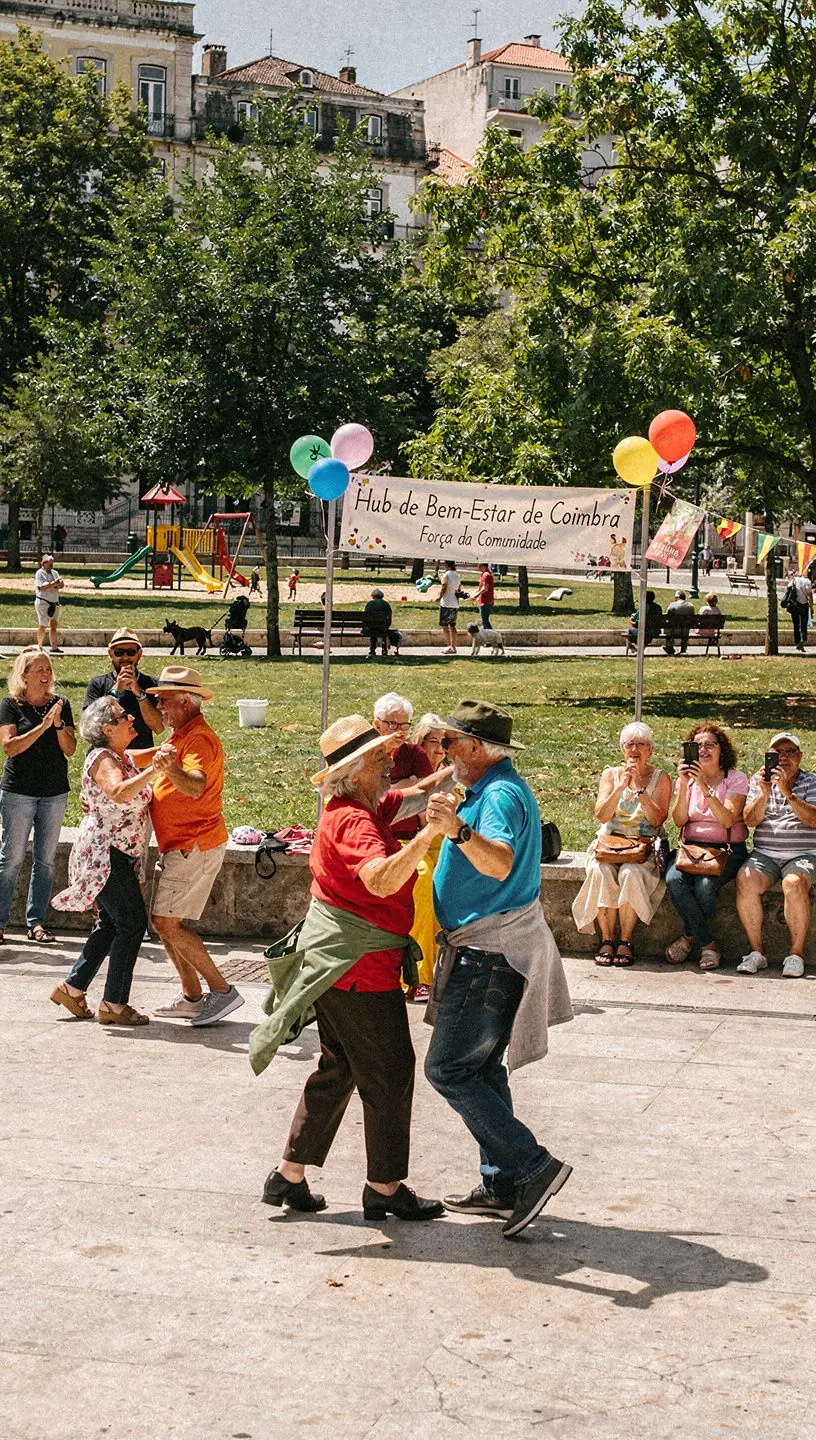
Themed salsa and bachata social nights are an effective way to engage new dancers. These events can provide a relaxed atmosphere, encouraging participants to socialize and practice their skills without the pressure of a formal class setting. Here are a few considerations for hosting inclusive events:
- Prepare a Welcoming Atmosphere: Set up the space to be inviting with appropriate decorations and music that resonates with the theme. A warm and vibrant environment can stimulate excitement and engagement.
- Provide Clear Instructions: Before the event, offer clear instructions on what to expect, including any basic moves or steps that will be showcased. This may alleviate any anxiety new dancers may feel.
- Encourage Participation: Use icebreakers and group activities to encourage interaction among attendees. Many users report that socializing in a group enhances their enjoyment and reduces the perceived pressure of dancing.
The Role of Supportive Instructors
Instructors play a crucial role in creating a welcoming environment. Many experts recommend that instructors provide constructive feedback while promoting a positive atmosphere. This approach can help new dancers build confidence over time.
It is essential to acknowledge that building confidence typically takes time and practice. New dancers may experience a learning curve as they familiarize themselves with the movements and rhythms. Setting realistic expectations, such as noting that improvements may be noticeable after a few weeks of consistent practice, can encourage persistence and resilience.
Conclusion
Creating a welcoming environment for new dancers is a vital step toward fostering a lifelong love for dance. By focusing on supportive communication, inclusive language, engaging social events, and dedicated instructors, studios can help ease the transition for newcomers. Remember, the journey of learning to dance is unique for each individual, and a nurturing atmosphere can significantly enhance this experience.
Learn More