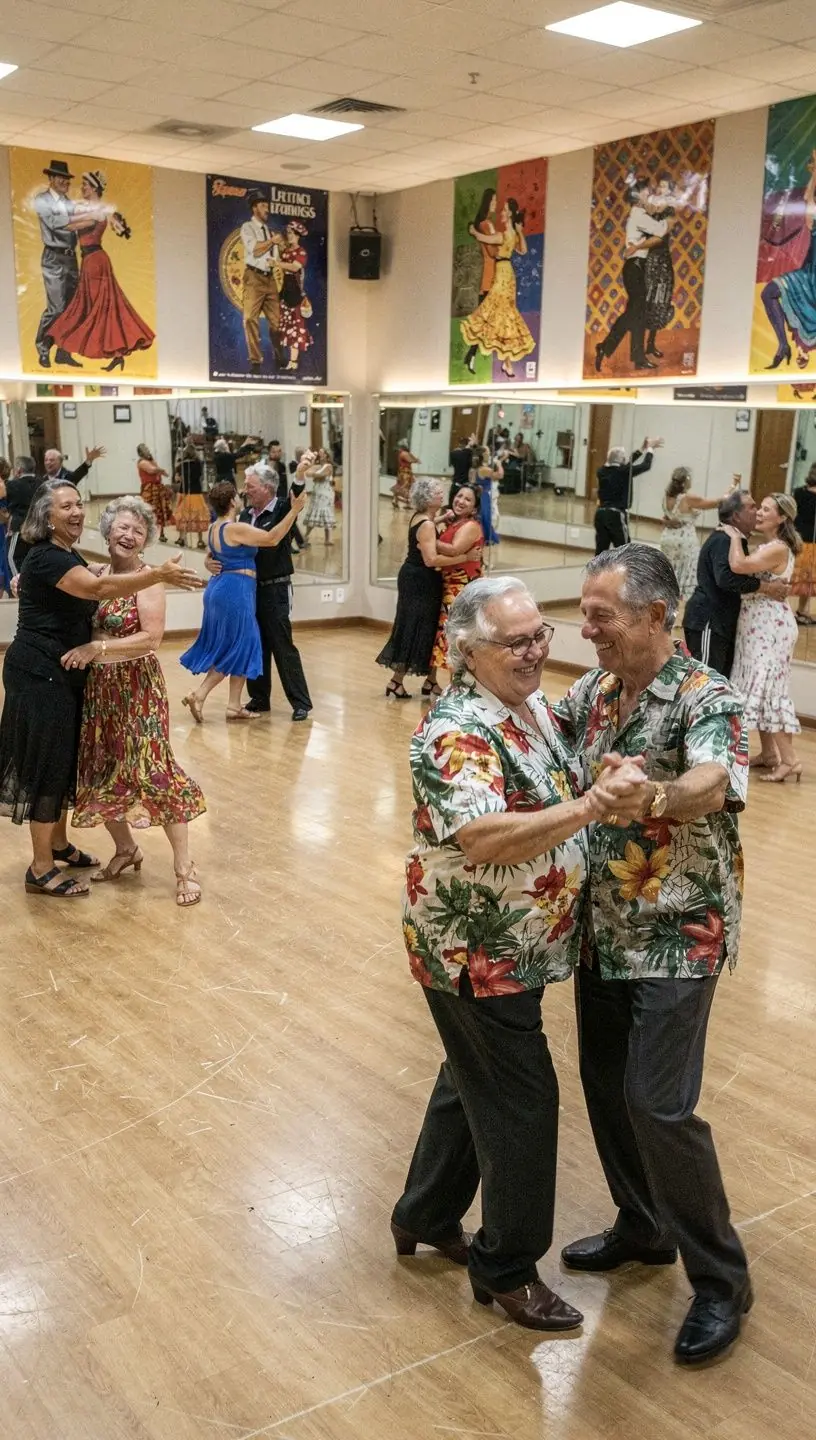
Exploring the History and Evolution of Salsa
Salsa is more than just a dance; it’s a vibrant reflection of cultural fusion. Understanding its historical roots and evolution can provide insightful context for new dancers and enthusiasts alike. This article examines the journey of salsa, its influences, and its significance in today's social dancing landscape.
The Origins of Salsa
The origins of salsa can be traced back to the Caribbean, particularly Cuba, where a blend of African rhythms and Spanish melodies coalesced in the early 20th century. The term "salsa" itself emerged in the 1960s as a way to describe this innovative musical genre that combined various influences. According to music historian Rafaelito Cadenas, "Salsa encapsulates the dynamic interplay of cultures that have shaped the Caribbean over centuries."
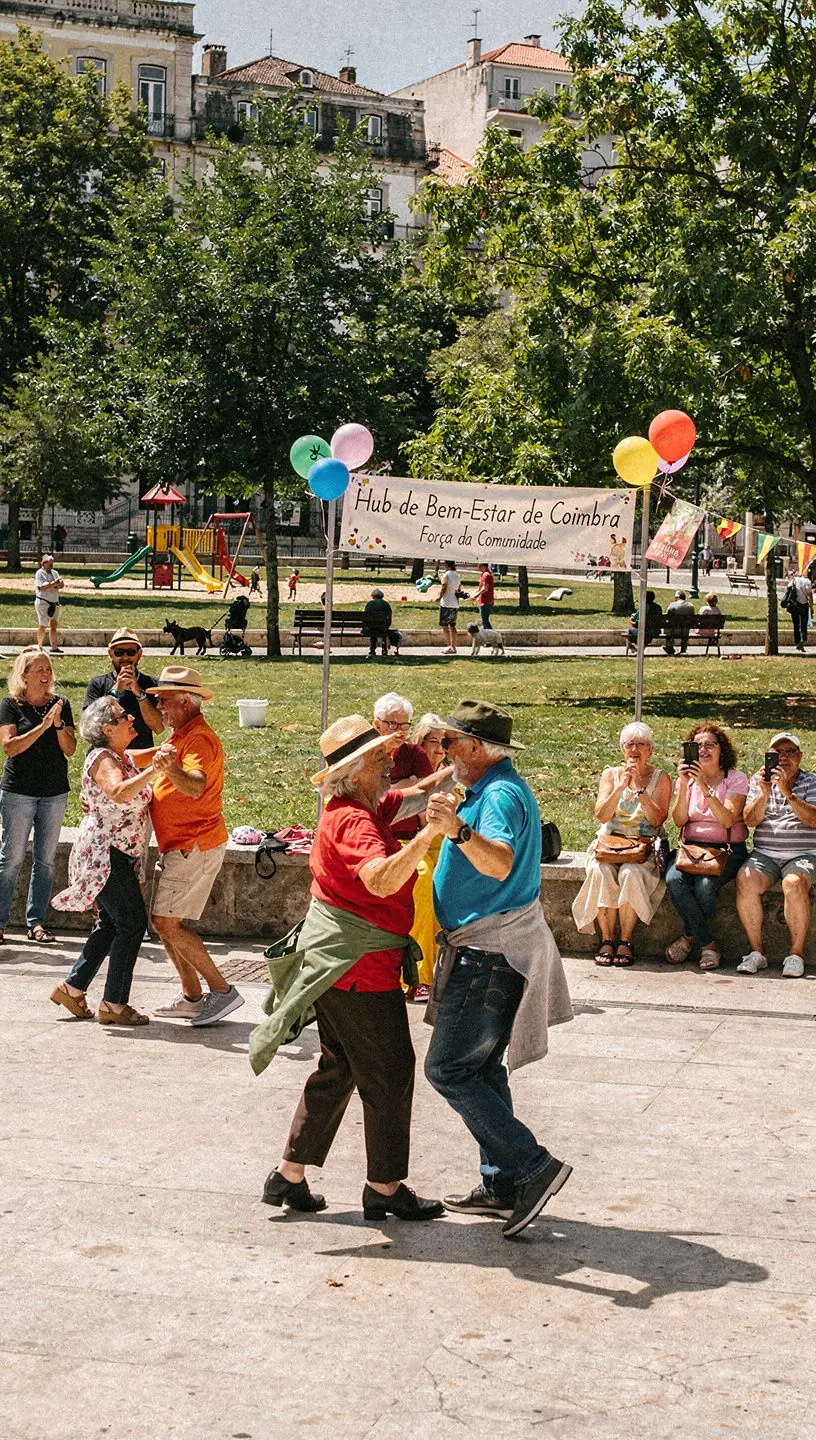
Cultural Influences
Salsa music and dance have been shaped by a multitude of influences, including:
- African Rhythms: Many of the foundational beats in salsa can be traced back to African drumming traditions, particularly the complex polyrhythmic structures.
- Spanish Melodies: The Spanish guitar and melodies have played a significant role in salsa, infusing the genre with flamenco and other regional styles.
- Jazz Fusion: As salsa evolved, elements of jazz were incorporated, resulting in the rich, improvisational style that characterizes much of today’s salsa music.
The Evolution Through the Decades
Over the decades, salsa has transformed significantly. The 1970s marked a pivotal point with the rise of salsa dura, characterized by its aggressive rhythms and vibrant instrumentation. Research indicates that salsa became a medium for social expression, often reflecting political and cultural narratives relevant to the times.
"Salsa serves as a powerful lens through which we can view the societal changes in Latin America." - Cultural Anthropologist Dr. Lucia Martinez
The Salsa Boom
The late 20th century witnessed a global salsa boom, particularly in the United States, where it found a diverse audience. The establishment of salsa congresses and dance festivals contributed to its international appeal, fostering community and celebration. Many experts suggest that this era helped solidify salsa as a dance form that transcends boundaries, allowing for a fusion of styles, including the popularization of salsa in nightclubs and social gatherings.
Modern Salsa: A Fusion of Styles
Today, salsa continues to evolve, integrating various dance styles such as bachata and cha-cha. The emergence of salsa on2, particularly popular in New York, contrasts with the more traditional salsa on1 style. This diversification can often lead to confusion among new dancers, but it is essential to recognize that each style brings unique elements that cater to different tastes and experiences.
Getting Involved in Salsa Today
If you're looking to join the salsa community, it is essential to consider the following:
- Find a local class: Many communities offer salsa classes for all skill levels, often incorporating elements of social dancing and cultural history.
- Attend social nights: Engaging in themed salsa or bachata nights can enhance your learning experience while providing a supportive environment for practice.
- Practice regularly: Like any skill, salsa dancing benefits from consistent practice. Many dancers report noticeable improvement after committing to a regular schedule.
Conclusion
The history and evolution of salsa reflect a rich tapestry of cultural influences and social narratives. As a dance, salsa continues to connect people across diverse backgrounds, fostering community and joy. By understanding its roots and evolution, new dancers can appreciate the depth and vibrancy that salsa brings to the world of dance. Embracing this journey may not only enhance your skills but also deepen your connection to the cultural heritage it represents.
Learn More