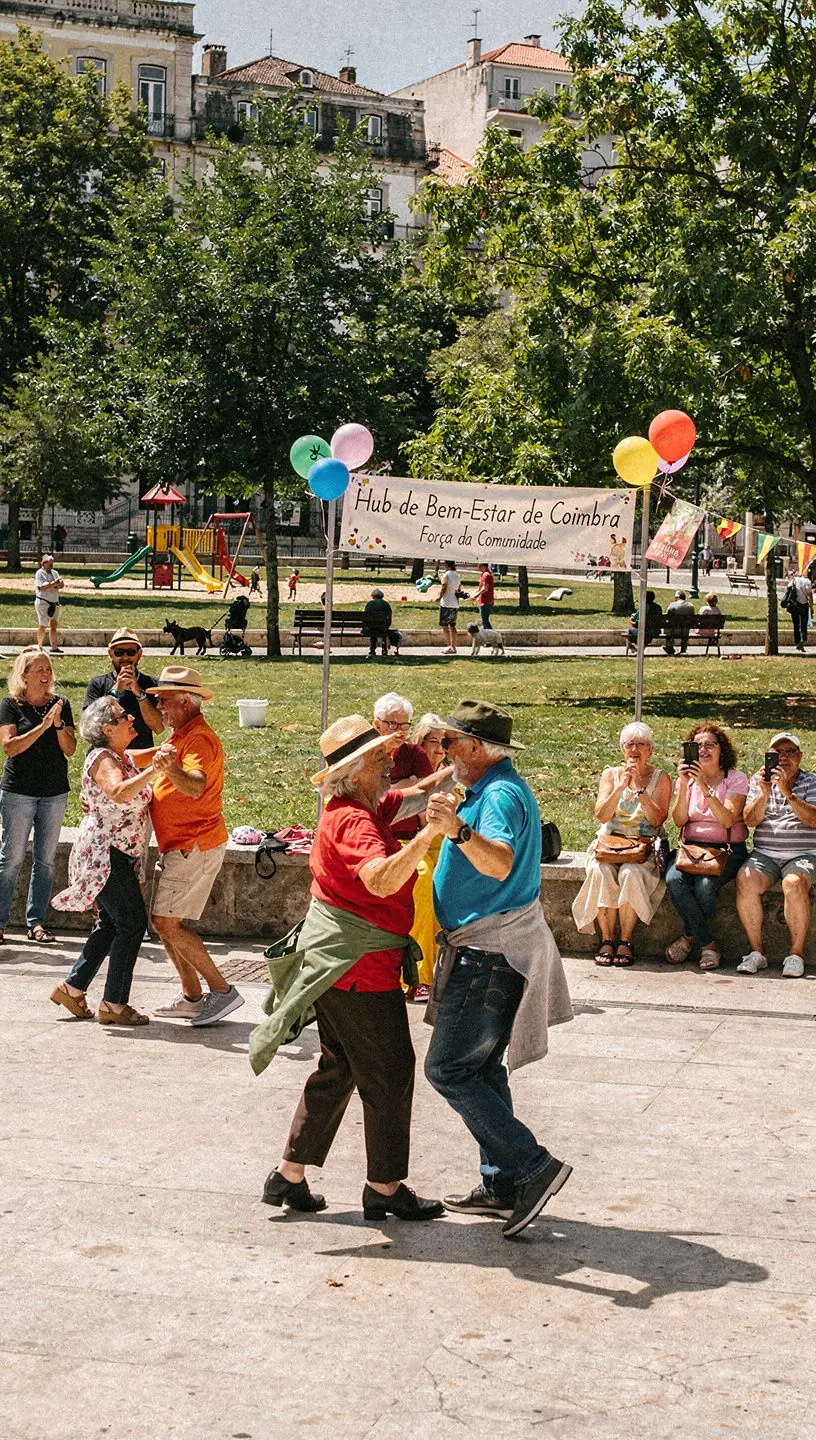
The Science Behind Dance and Memory Retention
Dance is not just an enjoyable pastime; it plays an intriguing role in cognitive functions, particularly memory retention. This article explores the scientific basis for the connection between dance and memory, and how engaging in dance activities can potentially enhance cognitive abilities.
Understanding the Basics
Research indicates that engaging in dance can positively influence memory retention and cognitive functions. According to a study published in the journal Neuropsychology Review, physical activity, including dance, can significantly improve brain functions due to increased blood flow and the release of neurotrophic factors. These factors promote neuron growth, enhancing memory and learning capabilities.

"Studies suggest that multi-tasking involved in dance can improve cognitive flexibility and memory retention."
The Connection Between Dance and Cognitive Function
Engaging in dance involves a combination of physical coordination, rhythm, and memory recall. This multi-dimensional activity helps to reinforce neural connections. Experts recommend that the cognitive demands of learning new dance steps and routines can lead to improved brain function. Here’s how:
- Memory Recall: When learning dance steps, participants often need to memorize sequences and patterns, which enhances their ability to recall information.
- Physical Coordination: Dancing requires synchronization of body movements, which has been shown to enhance both gross and fine motor skills.
- Social Interactions: Dance often occurs in social settings, promoting social interaction, which research shows can lead to reduced cognitive decline in older adults.
Practical Applications in Everyday Life
Incorporating dance into your routine can be beneficial for cognitive health. Here are some practical steps you can take:
- Consider joining a dance class that focuses on social dances like salsa or bachata, which can provide both physical and mental challenges.
- Practice regularly; studies show that consistent engagement in dancing can lead to significant improvements in overall cognitive function.
- Pair dance sessions with social activities, as social interactions may further enhance the cognitive benefits of dancing.
Acknowledging Limitations
While the benefits of dance on memory retention are promising, it’s important to note that outcomes can vary based on individual engagement and commitment. Research indicates that results typically appear with consistent practice over several weeks. Personal motivation plays a critical role, and some may find it more challenging to retain new dance steps compared to others.
Conclusion
In summary, the connection between dance and memory retention is supported by scientific research and expert recommendations. Engaging in dance not only offers enjoyment but also serves as a valuable tool for enhancing cognitive function. Whether through a social class or casual dancing at home, incorporating dance into your life can be an effective way to improve both memory and overall brain health.
Learn More