How Social Dance Enhances Emotional Well-Being
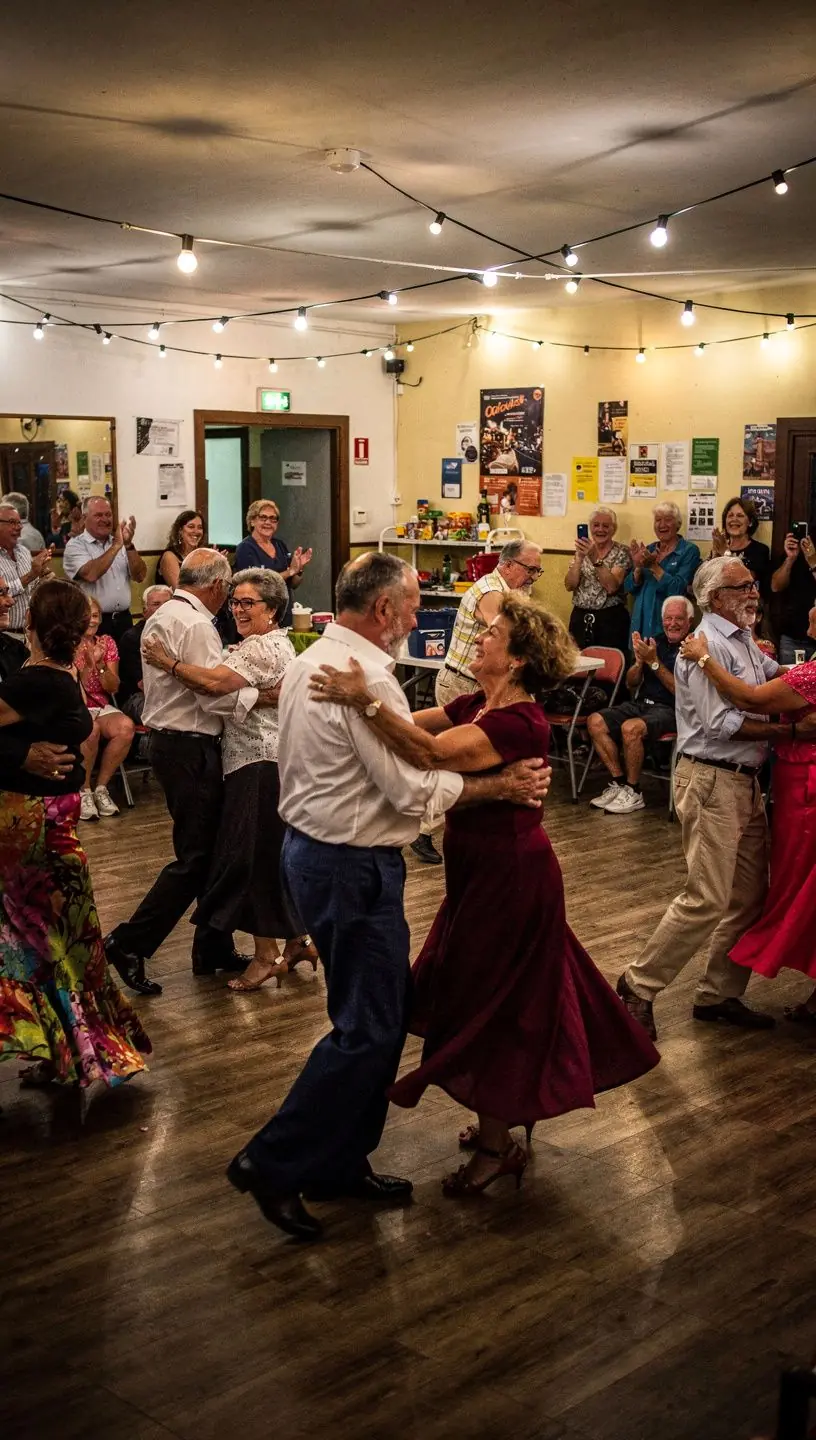
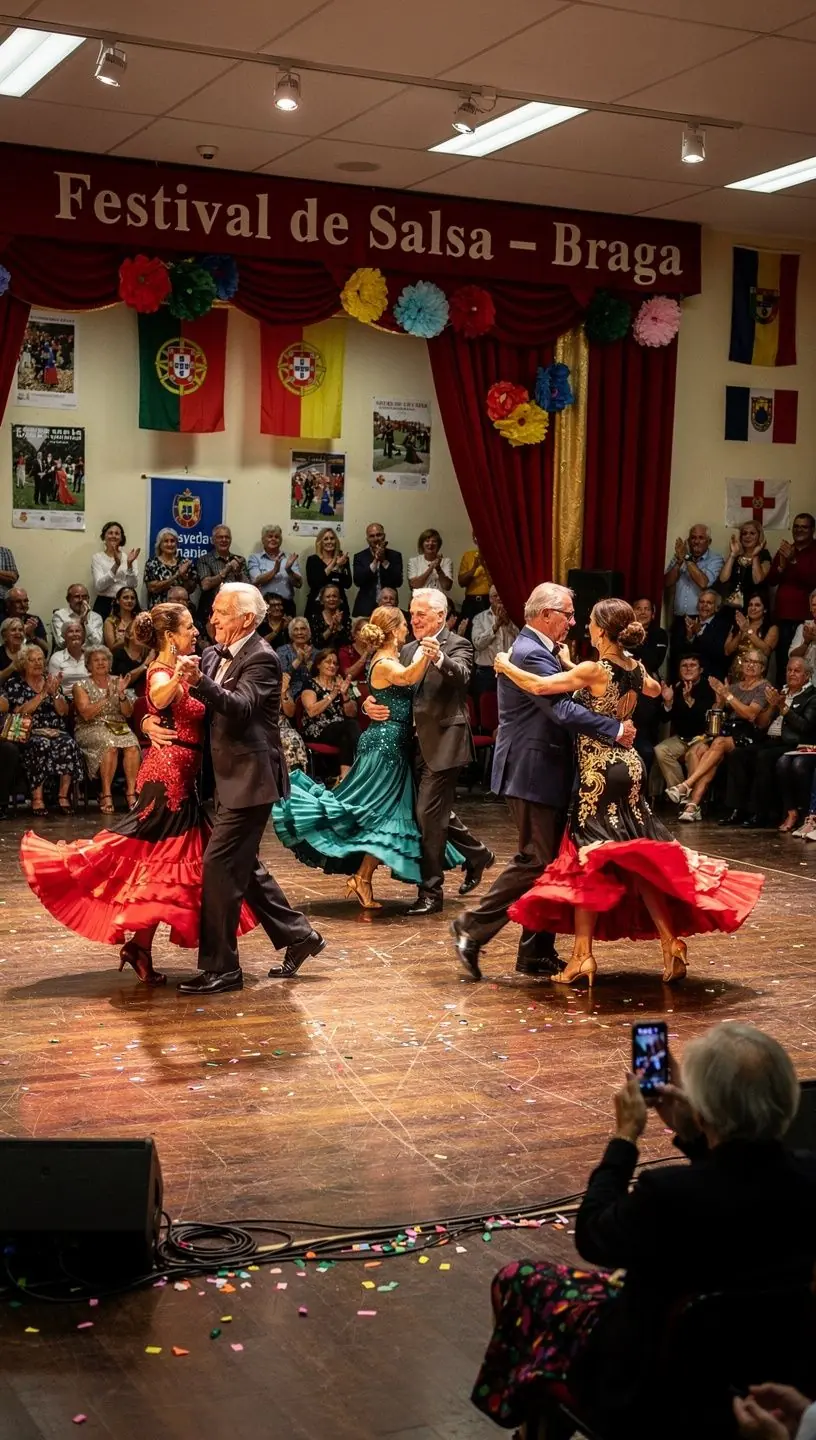
Social dancing, such as salsa and bachata, often serves as a powerful tool for emotional well-being, especially in adults over 45. Engaging in these activities can promote confidence, reduce stress, and foster social connections—key components of a fulfilling life.
Understanding the Basics of Social Dance
Social dance provides an enjoyable experience that can significantly impact an individual's emotional health. According to research, physical activity, including dance, is linked to enhanced mood and decreased anxiety levels. The principle behind this is simple: movement releases endorphins, which are hormones that promote feelings of happiness and well-being.
"Dancing has been shown to reduce stress and improve mood, making it an effective practice for emotional health." — Dance Health Research Journal
The Psychological Benefits of Dancing
Participation in social dance activities can lead to several psychological benefits:
- Increased Confidence: Many users report improved self-esteem after engaging in dance programs, often due to skill acquisition and social interactions.
- Stress Relief: Studies show that rhythmic movement and music have a calming effect, which can be particularly beneficial for those facing daily stressors.
- Social Connections: Engaging with others in a fun environment typically fosters friendships and support networks, which are crucial for emotional stability.
How Social Dance Works for Emotional Well-Being
Social dancing works for emotional improvement because it incorporates several key elements:
- Physical Activity: Regular movement can offset feelings of depression and anxiety.
- Creative Expression: Dance allows individuals to express emotions creatively, which is often therapeutic.
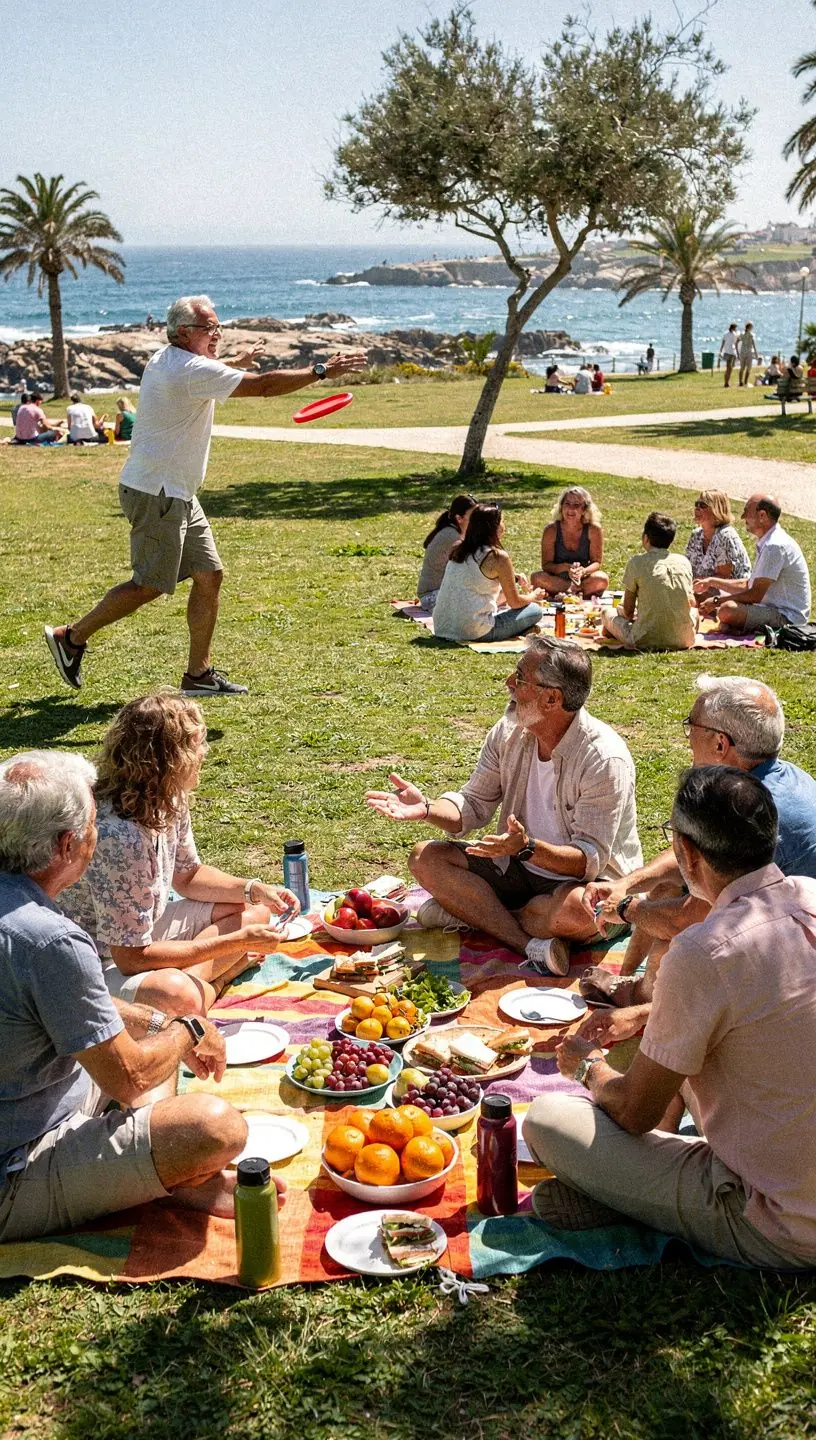
- Social Engagement: Meeting new people and participating in group activities can combat feelings of loneliness and isolation.
However, it is essential to acknowledge that while many find these benefits, results can vary based on individual circumstances. For some, it may take time to realize emotional improvements, typically ranging from a few weeks to several months of consistent participation.
Getting Started with Social Dance
If you're considering diving into the world of social dance, here are a few actionable steps:
- Find a local dance class or social event that focuses on salsa or bachata. Many communities offer beginner classes that cater to all skill levels.
- Commit to regular attendance. Engaging at least once a week can help solidify skills and enhance social interactions.
- Practice outside of classes. Whether with friends or through online tutorials, consistent practice can expedite the learning process and boost confidence.
Conclusion
Social dance, particularly salsa and bachata, can serve as an effective means for enhancing emotional well-being in adults over 45. By fostering confidence, providing stress relief, and encouraging social connections, it supports a healthier, happier lifestyle. While results can vary, many participants find that committing to regular social dance activities brings about positive changes in their emotional health.