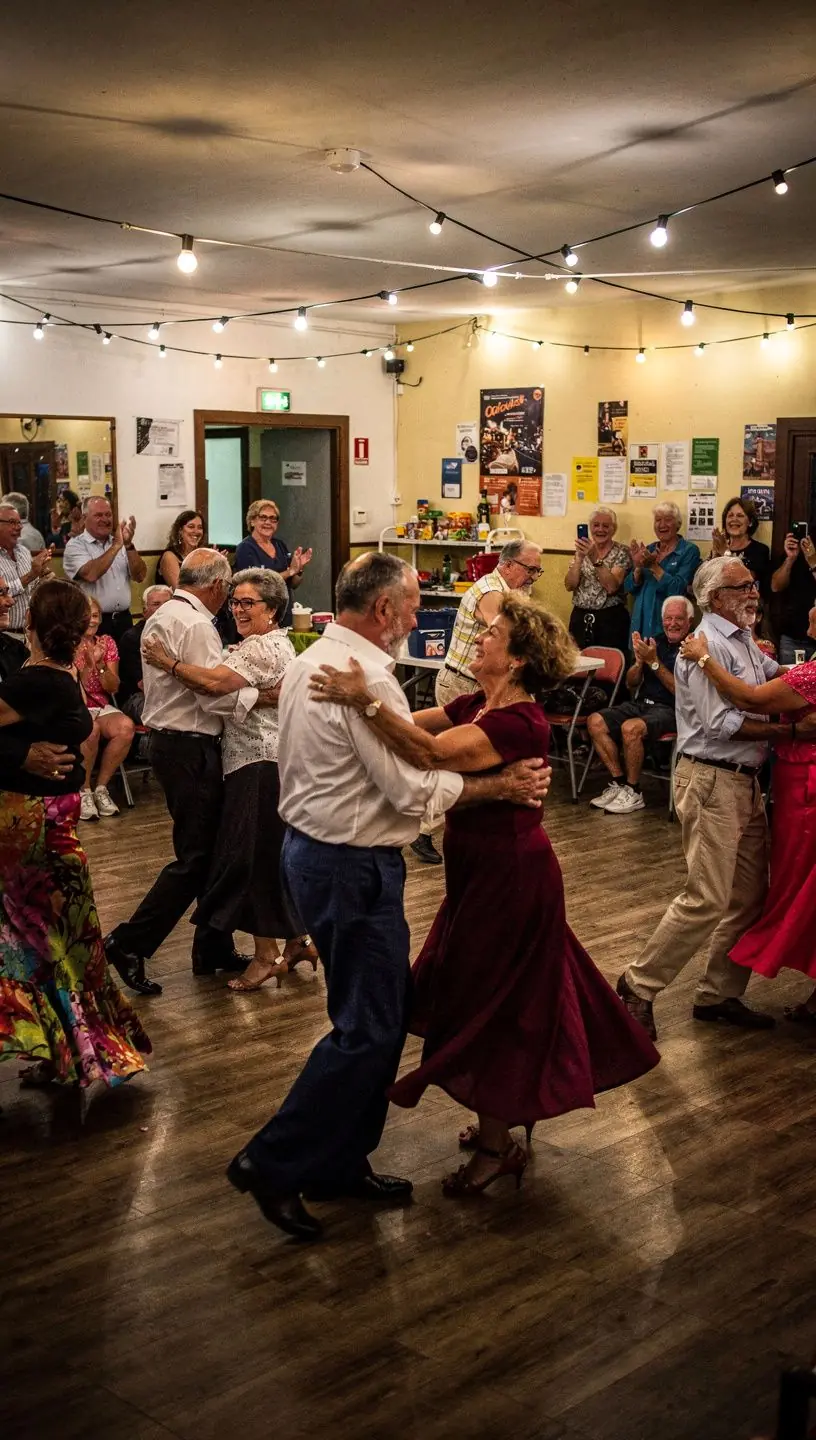
Exploring the Therapeutic Benefits of Dance
Dance has long been celebrated as a form of artistic expression, but its potential benefits extend beyond creativity. In recent years, research has increasingly highlighted the therapeutic advantages of dance, particularly in rebuilding confidence and promoting mental well-being.
Understanding the Basics
Dance, in its various forms, can serve as a powerful therapeutic tool. According to research published in the Journal of Dance Medicine & Science, engaging in dance can enhance emotional health, boost self-esteem, and alleviate symptoms of anxiety and depression. This is largely because dance facilitates a unique combination of physical movement and emotional expression, which can lead to improved overall health.

"Dance has been shown to activate the brain's reward system, leading to an increase in feelings of happiness and satisfaction." - Dr. Anne-Marie M. A. de Vries, Dance Therapist
The Psychological Impact of Dance
Many users report that participating in dance classes or social dance events can be a transformative experience. The social aspect of dance, particularly in styles like salsa and bachata, fosters connection and community. This is crucial because strong social ties are associated with improved mental health outcomes, as highlighted by studies in the field of psychology.
How Dance Affects Mental Health
- Confidence Building: Many participants find that learning to dance helps to bolster their self-confidence. As individuals master new steps, they often experience a sense of achievement that translates into other areas of life.
- Stress Relief: Engaging in dance can serve as a healthy outlet for stress. According to experts, the act of moving to music can lead to the release of endorphins, which are chemicals in the brain that promote feelings of happiness and relaxation.
- Mindfulness: Dance encourages individuals to be present in the moment, which can improve mindfulness. This practice is often linked to reduced anxiety and improved emotional regulation, making dance a valuable tool for mental health.
Practical Application of Dance for Therapy
While the benefits of dance are extensive, it’s essential to acknowledge that individual experiences may vary. Typically, it takes time to see significant improvements, with many users noting positive changes after consistent practice over a few weeks. Here are some practical approaches to incorporate dance into your life:
- Attend Regular Classes: Joining a local dance class can help build skills and confidence. Dedication to regular practice is key, as improvement typically requires commitment.
- Explore Social Dance Events: Look for salsa or bachata nights in your area. These events often foster a welcoming environment, allowing individuals to connect and share experiences.
- Incorporate Dance at Home: Consider setting aside time for personal practice. Dancing to your favorite music at home can be a great way to relieve stress and boost mood without the pressure of a class environment.
Conclusion
In summary, the therapeutic benefits of dance are backed by research and widely recognized in the health and wellness community. While individual results may vary, many users find that incorporating dance into their routine can lead to significant improvements in confidence and overall mental well-being. If you're interested in exploring these benefits, consider joining a dance program or participating in themed social nights at your local logthorn.org.
Learn More