Exploring Cultural Aspects of Salsa and Bachata
Salsa and Bachata are more than just dance styles; they are vibrant expressions of cultural heritage that resonate deeply with their fans. In this article, we will explore the cultural aspects of these dances and how participation can foster community and personal growth.
Understanding the Historical Context
Salsa originated in the Caribbean, particularly in Cuba and Puerto Rico, and has evolved significantly since the 1960s. It incorporates various musical influences, including jazz, son, and mambo. Experts suggest that understanding its roots can enhance the appreciation for its rhythm and movements. Similarly, Bachata, which emerged in the Dominican Republic, reflects themes of love and heartbreak, often expressed through its lyrical content.

"Dance is the hidden language of the soul." – Martha Graham
The Social Significance of Salsa and Bachata
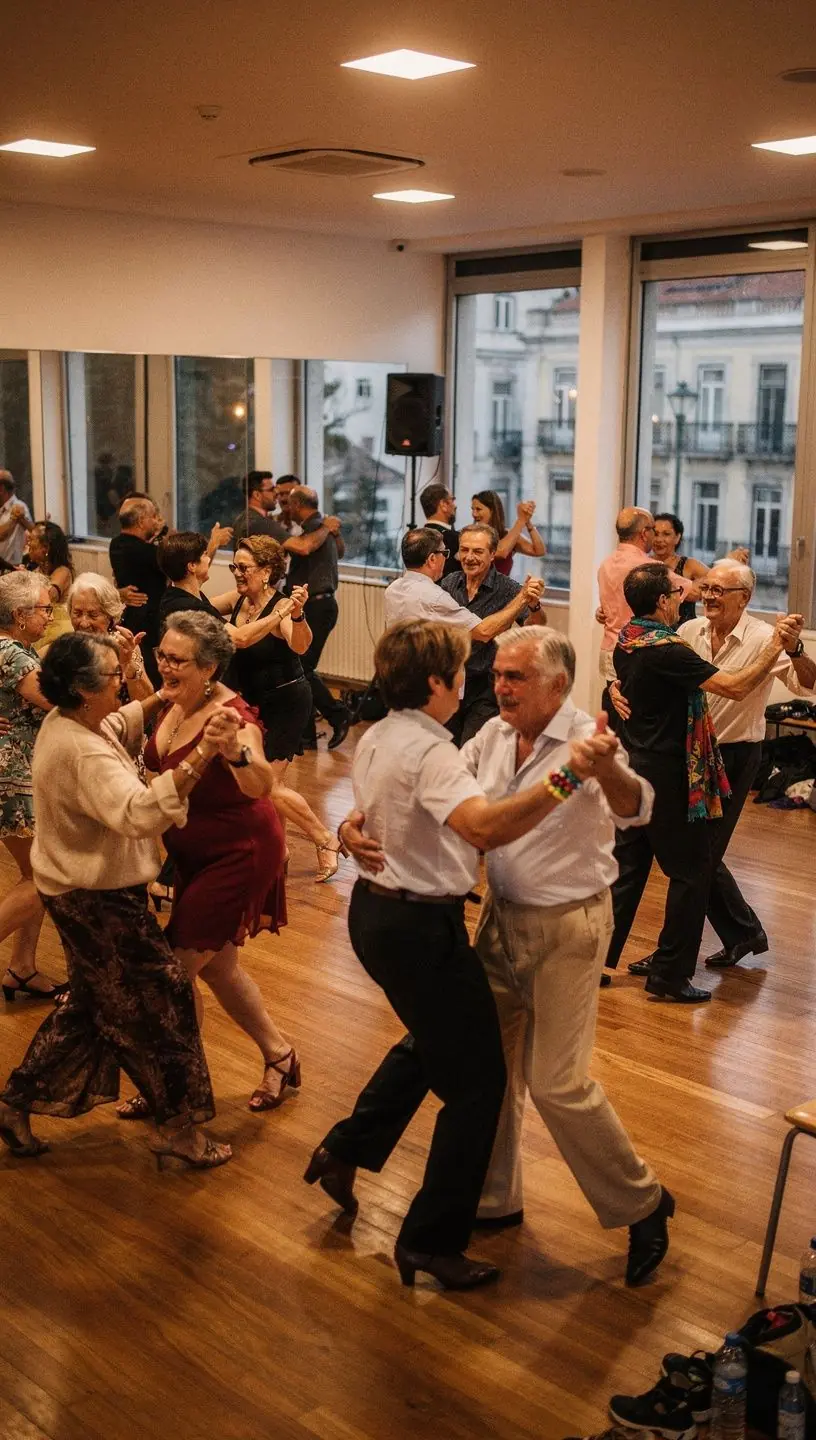
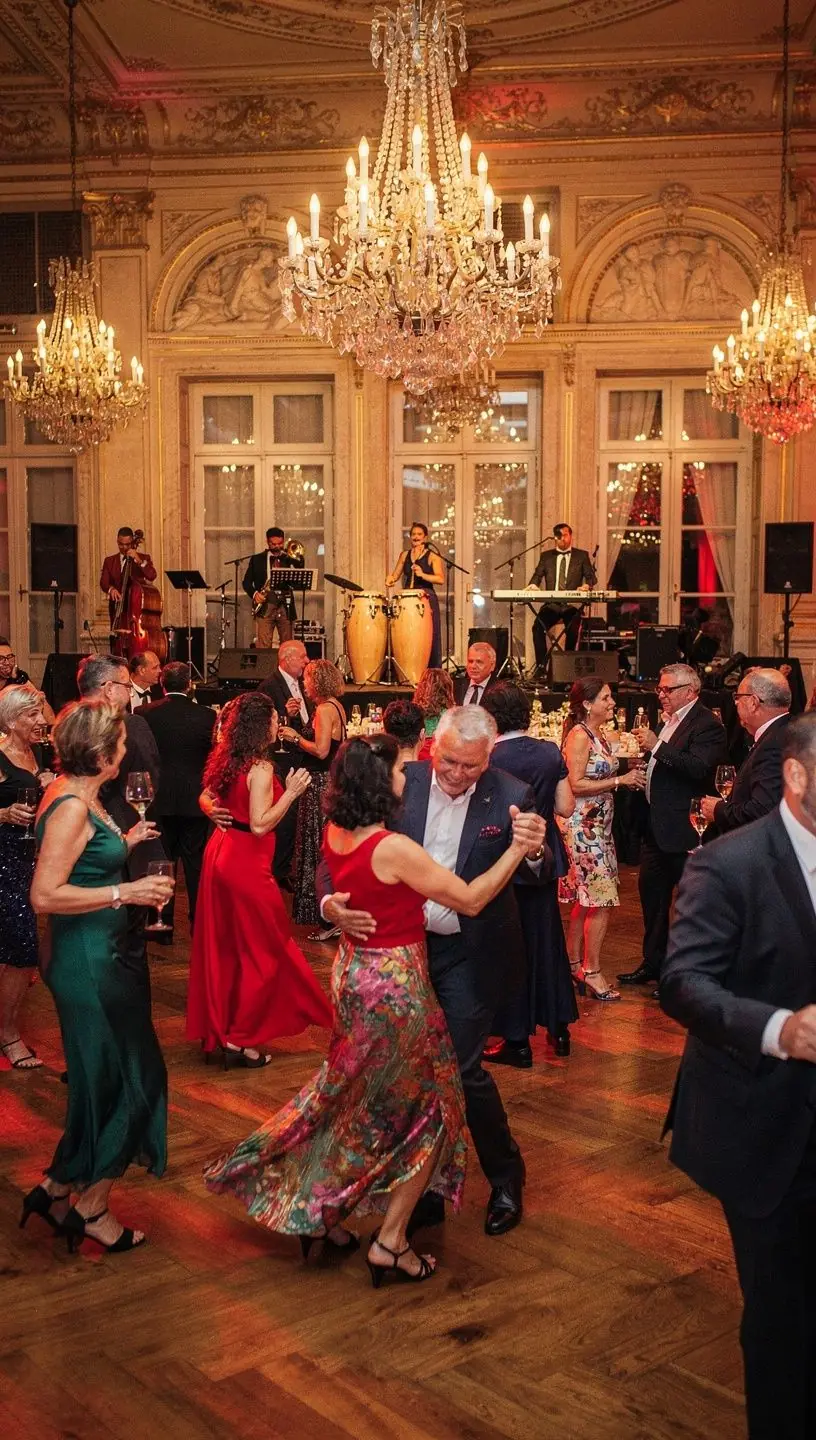
Both Salsa and Bachata are more than just art forms; they are social activities that create a sense of belonging. Many participants report that these dances help build friendships and community bonds. According to research by social scientists, engaging in group activities like dance can lead to improved mental health and emotional well-being.
Benefits of Participation
- Confidence Building: Learning to dance can significantly boost self-esteem, as many individuals find that mastering new skills leads to personal empowerment.
- Physical Health: Regular dancing typically involves cardiovascular activity that can enhance overall fitness levels. Studies show that dance can improve flexibility, strength, and endurance.
- Cultural Awareness: Engaging with these dance styles provides insights into the cultural histories and traditions they represent, promoting greater understanding and appreciation.
Learning Salsa and Bachata
Participating in classes or social nights can be a fulfilling experience. It's important to approach learning with an open mind. Typically, it takes a few sessions to grasp the essential moves, but dedication is key. Industry experts recommend practicing regularly to see significant progress, often suggesting that learners commit to at least two classes per week for several weeks.
Setting Realistic Expectations
While many users experience improvement in their dance skills, it's crucial to remember that progress varies based on individual effort and practice. In most cases, noticeable results can appear within 2-4 months, depending on the frequency of practice and the complexity of the moves being learned.
Conclusion
Participating in Salsa and Bachata not only enriches your cultural understanding but also fosters confidence and community connections. Remember, the journey of learning dance is as valuable as the skills you acquire. By understanding the cultural aspects and embracing the learning process, you can enjoy the numerous benefits these dance styles offer.